EngineeringNov 9, 2026
What is an MCP server and why does it matter for your business?
MCP is the open standard that connects AI assistants to your systems, like a USB-C port for AI. What it is, how it works, and what security aspects to watch out for.
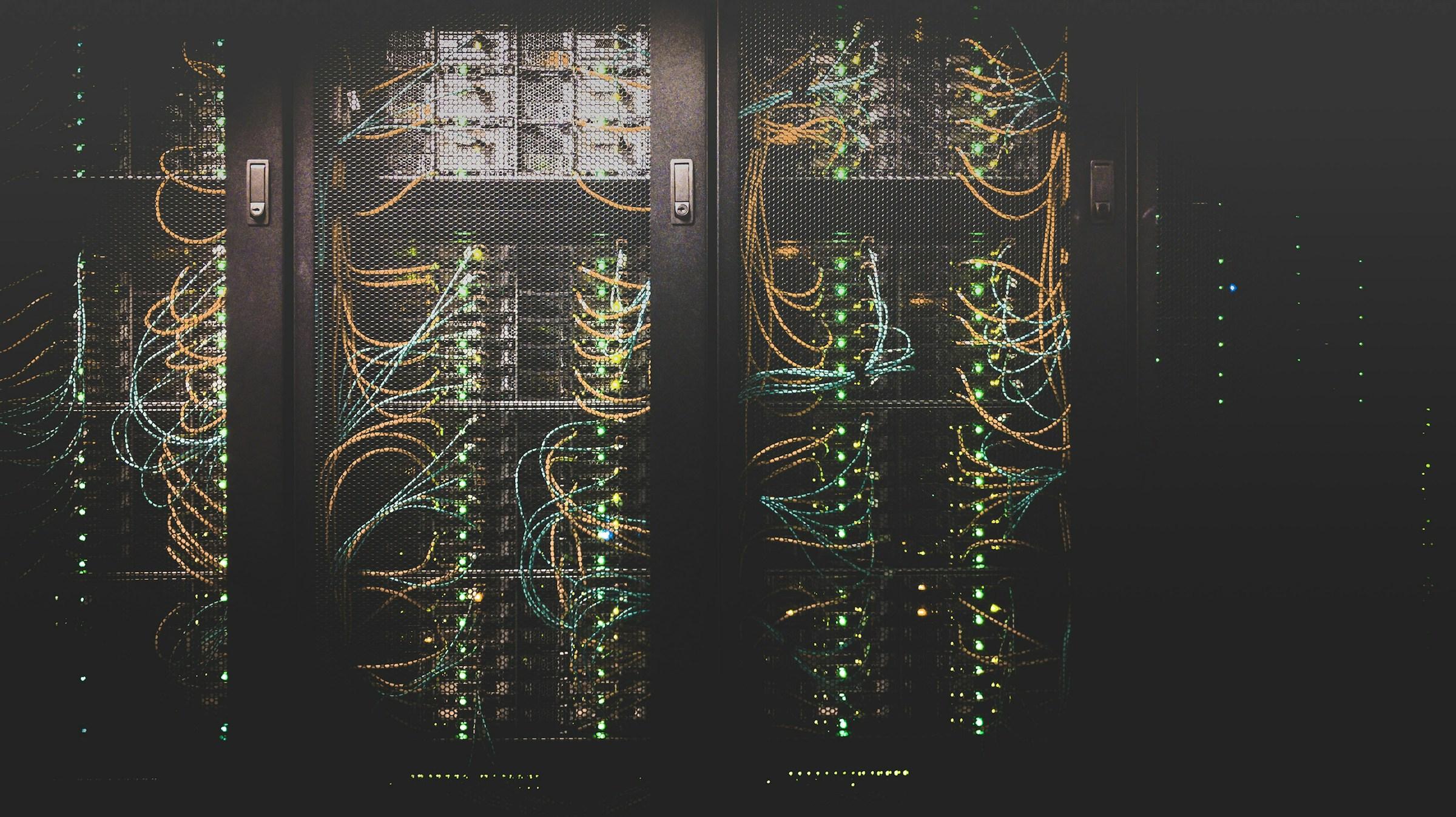
If you have read about AI agents in recent months, you have surely come across the acronym MCP. It appears in product announcements, job postings, and technical discussions. Here we explain what it is, without unnecessary technicalities, and why it is relevant to your company.
The problem it solves
An AI model, on its own, cannot see your email, check your CRM, or read your company's documents. For an assistant to do something useful with your information, someone has to connect it to those systems.
Previously, each connection was built by hand and for a single application. If you wanted your assistant to query the customer database, that specific integration was programmed. If you later switched assistants, it had to be rebuilt all over again. With ten systems and three AI tools, the work multiplied.
What is MCP
MCP stands for Model Context Protocol. It is an open standard published by Anthropic in late 2024 and subsequently adopted by other major AI providers and developer tools.
The most common comparison is a USB-C port. Previously, every device had its own charger. With a standard connector, any cable works for any device. MCP does the same for AI: you define once how a system is accessed, and any compatible assistant can use it.
How it works
In MCP, there are three parts:
- The host: the application where you work with the AI, such as a desktop assistant, a code editor, or an AI system built for your company.
- The client: the component inside the host that speaks the protocol and maintains the connection.
- The MCP server: a program that exposes a specific system (your database, your document manager, your calendar) in the format that the protocol understands.
An MCP server can offer three types of things:
| What it offers | What it is for | Example |
|---|---|---|
| Tools | Actions the AI can execute | Create a ticket, send an email, check inventory |
| Resources | Information the AI can read | A document, a customer record, a database schema |
| Prompts | Ready-to-use instruction templates | "Summarize this contract with this format" |
When you ask the assistant for something, the model sees what tools and resources it has available, decides which ones it needs, and the MCP server does the work of speaking to the actual system.
Servers can run on your own computer or on a remote server. That matters: an MCP server can live inside your infrastructure, so data never leaves it.
What changes for your company
- Fewer custom integrations: an MCP server for your ERP works for any compatible assistant, today and tomorrow.
- Less vendor lock-in: if you switch models or tools, your connections remain intact.
- Agents that take action, not just answer: with connected tools, an assistant can query, cross-reference information, and execute process steps.
- An existing ecosystem: there are already MCP servers available for many common tools, so you don't always have to build from scratch.
What to watch out for
Connecting an AI to your systems means giving it access to them. MCP makes the connection easier, but security remains the responsibility of whoever implements it:
- Least privilege: each server should have only the permissions it needs. If the assistant only reads, ensure it cannot write or delete.
- Trusted servers: an MCP server is software running with access to your data. Only use those you know, review, and maintain.
- Hidden instructions: a document or email can contain text designed to manipulate the AI (known as prompt injection). Sensitive actions should require human confirmation.
- Action logging: there must be traceability of what the assistant queried, what it did, and on whose behalf.
In summary
MCP is a standard for connecting AI to your systems in a reusable way. It is not a product you buy, but a way of building: it makes providing context to an AI system faster and more organized. Like any connection to your company's data, it works well when designed with clear permissions, trusted servers, and control over what the AI can do.
If you want to know which of your company's systems would be worth connecting first, schedule a call with our team.