SolutionsNov 11, 2026
What's the point of querying your data with AI if you can't trust it?
An assistant that answers confidently based on inconsistent data doesn't help you make decisions: it confuses you faster. What to check beforehand, and what a data dictionary is used for.
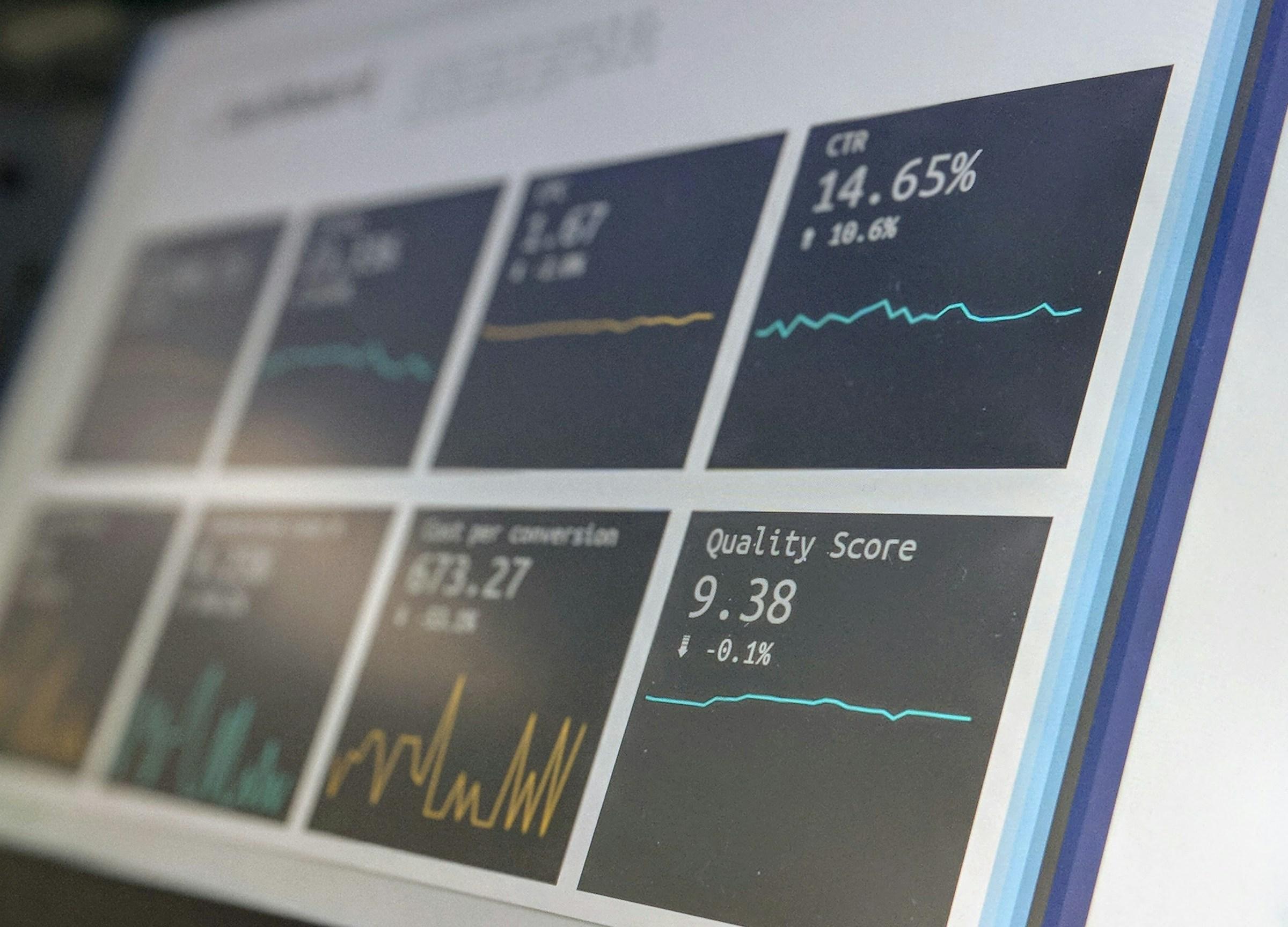
It is one of the first things people ask us: "I want to ask an AI how much we sold last month and have it answer me." The technology to do this exists and works. The problem is almost never in the AI, but in what lies beneath it.
If in your company sales and finance cannot agree on how much was invoiced, an AI assistant is not going to resolve that argument. It will choose one of the two versions and answer with complete confidence. And therein lies the risk: a wrong answer delivered with confidence is worse than having no answer at all.
Data is indeed the fuel, but unrefined it drives nothing
It is often repeated that data is the fuel of a company. The analogy is good if completed: crude oil does not drive a car. It must be extracted, cleaned, and refined before it is of any use.
The same happens with data. Having years of records in an ERP, a CRM, and hundreds of Excel files is not the same as having data ready to use. Before an AI can query them, that data must be:
- Defined: everyone understands the same thing by "active customer", "sale", or "margin".
- Complete: important fields are not empty in half of the records.
- Consistent: the same customer does not appear three times under different names.
- Traceable: it is known which system each piece of data comes from and who is responsible for it.
What the problem looks like in practice
Imagine you ask an assistant, "How many active customers do we have?" To answer, the AI must decide what "active" means. Did they make a purchase in the last 30 days? In the last year? Do they have an active contract even if they haven't made a purchase?
If that definition is not written down anywhere, the AI guesses it. Each department in your company probably has its own answer, and they are all reasonable. The result is a number that no one can defend in a meeting.
The same happens with questions that seem simple:
- "What is our most profitable product?" depends on how costs are allocated.
- "How much did we sell in Bogotá?" depends on whether the billing address or the delivery address counts.
- "How many employees do we have?" depends on whether you count contractors.
The data dictionary: the most underrated tool
A data dictionary is a document, almost always a table, that explains what each piece of data used by your company means. It is not a technology project: it is a written agreement between departments.
For each important field, it records, at a minimum:
| Field | What to note | Example |
|---|---|---|
| Name | What it is called in the system | cliente_activo |
| Definition | What it means, in business language | Customer with at least one purchase in the last 12 months |
| Type and format | Number, text, date, yes/no | Yes / No |
| Source | Which system it comes from | ERP, billing module |
| Calculation rule | How it is obtained, if calculated | Last invoice date within the last 365 days |
| Owner | Who is responsible for the data | Commercial Department |
It seems like administrative work, but it is precisely what an AI needs to answer properly. When we connect an AI system to a company's data, the dictionary is part of the context the model receives: that way, it stops guessing and applies the definition your team agreed upon.
Where to start
You don't need to organize all your data before using AI. That never ends. What you do need is to organize the data for the question you want to answer first.
- Choose a specific business question, the one that comes up most in your meetings.
- Identify the data that answers it and the systems it comes from.
- Write the definitions of that data with the involved departments, in a dictionary.
- Measure the quality of that data: how many blanks, duplicates, or inconsistencies it has.
- Connect the AI to that foundation, and verify its answers against the reports you already trust.
Once that first question works, the next one costs much less, because a large part of the definitions already exist.
In summary
An AI that queries your data is only as reliable as that data. Before investing in the assistant, invest in having your company speak a single language about its information. The data dictionary is the cheapest way to achieve this, and it is what separates an impressive demo from an AI system that people actually use to make decisions.
If you want to know how ready your data is for the question that matters most to you, schedule a call with our team.